

Best Luxury Hotels in Tokyo: 8 Top Stays by Area (2026)

This article contains affiliate links. Learn more
In Tokyo, the neighborhood you choose shapes your trip as much as the hotel: palace gardens and bullet trains in Marunouchi, shopping in Ginza, art in Roppongi, skyscrapers in Shinjuku, street culture in Shibuya. Here are 8 luxury hotels, each chosen for something the others don’t offer.
Which hotel is right for you?
| If you want… | Stay at |
| Imperial Palace views and polished Japanese hospitality | Palace Hotel Tokyo Marunouchi, Otemachi & Yaesu · US$500–1,200 |
| To sleep inside the historic red-brick station | Tokyo Station Hotel Marunouchi, Otemachi & Yaesu · US$400–900 |
| Italian glamour with serious dining | Bvlgari Hotel Tokyo Marunouchi, Otemachi & Yaesu · US$1,400–3,000 |
| Ginza shopping and theaters on foot | The Peninsula Tokyo Ginza & Hibiya · US$600–1,500 |
| A quiet wing beside a historic Japanese garden | New Otani Executive House Zen Akasaka & Roppongi · US$550–1,000 |
| Sky-high views plus Roppongi’s art, dining and nightlife | The Ritz-Carlton, Tokyo Akasaka & Roppongi · US$600–1,200 |
| The Tokyo skyline you’ve seen in the movies | Park Hyatt Tokyo Shinjuku · US$900–1,800 |
| Boutique luxury between Shibuya, Harajuku and Yoyogi Park | TRUNK(HOTEL) YOYOGI PARK Shibuya & Yoyogi Park · US$600–1,200 |

Prices are rough guides per room per night and change with dates and demand.
Where to Stay in Tokyo: Pick the Area First
Tokyo is huge, and there’s no single downtown. Luxury hotels cluster in five areas: Marunouchi, Otemachi and Yaesu around Tokyo Station, Ginza and Hibiya, Akasaka and Roppongi, Shinjuku and Shibuya. They’re all linked by fast trains, but each one gives your days a very different feel.
Tokyo’s main hotel areas and the hotels in this guide
Marunouchi and Ginza sit east of the Imperial Palace, Akasaka and Roppongi to the south, and Shinjuku and Shibuya to the west. Tap a number to jump to that hotel.
- 1Palace Hotel TokyoMarunouchi, Otemachi & Yaesu · 8 min walk from Tokyo Station (underground link to Otemachi Station)›
- 2Tokyo Station HotelMarunouchi, Otemachi & Yaesu · Inside Tokyo Station (Marunouchi South Exit)›
- 3Bvlgari Hotel TokyoMarunouchi, Otemachi & Yaesu · 3 min walk from Tokyo Station’s Yaesu side (top floors of Tokyo Midtown Yaesu)›
- 4The Peninsula TokyoGinza & Hibiya · Connected to Hibiya Station (about 5 min walk from Ginza Station)›
- 5New Otani Executive House ZenAkasaka & Roppongi · 3 min walk from Akasaka-Mitsuke and Nagatacho stations›
- 6The Ritz-Carlton, TokyoAkasaka & Roppongi · Connected to Roppongi Station (Tokyo Midtown)›
- 7Park Hyatt TokyoShinjuku · 12 min walk from Shinjuku Station (shuttle bus available)›
- 8TRUNK(HOTEL) YOYOGI PARKShibuya & Yoyogi Park · 3 min walk from Yoyogi-koen Station (about 14 min walk from Shibuya)›
Simplified map. Distances and directions are approximate.
Marunouchi, Otemachi and Yaesu: first visits and bullet trains
The business district around Tokyo Station, next to the Imperial Palace gardens and a walk from Ginza. It’s the most practical base if you’ll take the bullet train to Kyoto or Osaka. Palace Hotel Tokyo, The Tokyo Station Hotel and Bvlgari Hotel Tokyo are here.
Ginza and Hibiya: shopping and dining
Ginza is Tokyo’s upscale shopping street, lined with department stores, flagship boutiques and long-established restaurants. Neighboring Hibiya has theaters and a big park. The Peninsula Tokyo is here.
Akasaka and Roppongi: gardens, art and late dinners
Akasaka is a quieter district of government buildings, shrines and hotel gardens. Roppongi, just south, is known for art museums, international restaurants and nightlife. New Otani Executive House Zen and The Ritz-Carlton, Tokyo are here.
Shinjuku: skyscrapers and the big-city night
Skyscrapers on the west side, neon and izakaya bars on the east side, and one of the world’s busiest train stations in between. Park Hyatt Tokyo is here.
Shibuya and Yoyogi Park: today’s Tokyo
Home of the famous Scramble Crossing, plus fashion, music and cafes. Harajuku and Meiji Jingu shrine are within walking distance. TRUNK(HOTEL) YOYOGI PARK is here.
The hotels in this guide run from about US$400 to US$3,000 per night. Prices climb in cherry blossom season and over New Year, and rooms with palace or skyline views sell out first.
The Best Luxury Hotels in Tokyo
1 Palace Hotel Tokyo
- Area
- Marunouchi, Otemachi & Yaesu8 min walk from Tokyo Station (underground link to Otemachi Station)
- Price guide
- US$500–1,200 per night
- Best for
- First-time visitors who want one hotel they can’t go wrong with, and special occasions
Highlights
✅ Right across from the Imperial Palace moats and gardens
✅ Some rooms have balconies over the greenery
✅ Walking distance to Tokyo Station for the bullet train
Why stay here
If you only stay at one luxury hotel in Tokyo, start here. Palace Hotel Tokyo is a Japanese-run hotel, and its service feels calm and quietly attentive rather than flashy.
The standout is the view from the balcony: the palace moat and trees right in front, the towers of Marunouchi behind. It feels very different from the sky-high hotels that look down on the city from far above.
Walk around the palace in the morning, then shop in Marunouchi or Ginza. Of all the hotels in this guide, it’s the easiest to recommend for a first trip to Tokyo.
Good to know: Not every room faces the palace. Check the room type and which way it faces when you book.
2 The Tokyo Station Hotel
- Area
- Marunouchi, Otemachi & YaesuInside Tokyo Station (Marunouchi South Exit)
- Price guide
- US$400–900 per night
- Best for
- Fans of historic buildings, and anyone catching a bullet train the next day
Highlights
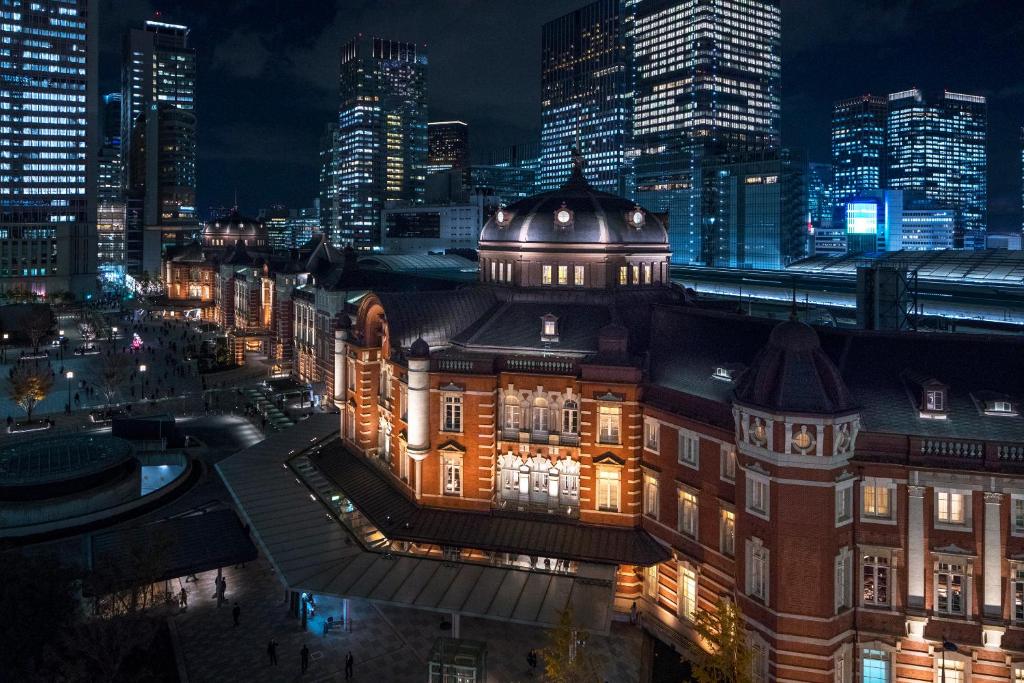
✅ You stay inside the station building, a designated Important Cultural Property
✅ Some rooms look down into the station’s domed hall
✅ Walk to the ticket gates for the bullet train or Narita Express without going outside
Why stay here
The Tokyo Station Hotel is built into the red-brick station building on the Marunouchi side. The building is one of Japan’s designated Important Cultural Properties, and no new hotel can copy the experience of sleeping inside it.
Ask for a dome-side room. From the window you look down on the ornate dome ceiling and the travelers streaming through the gates below.
Across Tokyo, this is the most convenient luxury hotel for the night before or after a bullet train trip to Kyoto or Osaka. The Imperial Palace and Ginza are both walkable.
Good to know: Views depend on the room type (dome side, plaza side and so on).
3 Bvlgari Hotel Tokyo

- Area
- Marunouchi, Otemachi & Yaesu3 min walk from Tokyo Station’s Yaesu side (top floors of Tokyo Midtown Yaesu)
- Price guide
- US$1,400–3,000 per night
- Best for
- Food-focused travelers and once-in-a-lifetime celebrations
Highlights
✅ Italian design woven together with Japanese materials and craft
✅ Italian and sushi restaurants, plus a pool and spa
✅ Next to Tokyo Station, a walk from Ginza, Nihonbashi and Marunouchi
Why stay here
Why stay at an Italian jewelry brand’s hotel in Japan? One visit answers the question. Japanese materials and craftsmanship sit naturally inside the Italian glamour, and it feels designed for Tokyo, not copied from Milan.
With Italian and sushi restaurants in-house, it’s a hotel you can choose for the food. The pool and spa are a good place to recover between days of walking the city.
It’s on the Yaesu (east) side of Tokyo Station, an easy walk to Ginza, Nihonbashi and Marunouchi. It works best as a splurge at the start or end of a trip.
Good to know: This is one of the most expensive hotels in this guide. Reserve the restaurants separately, and early.
4 The Peninsula Tokyo

- Area
- Ginza & HibiyaConnected to Hibiya Station (about 5 min walk from Ginza Station)
- Price guide
- US$600–1,500 per night
- Best for
- Shoppers, food lovers and travelers who put service first
Highlights
✅ Connected to Hibiya Station, a short walk from central Ginza
✅ Some rooms look out over Hibiya Park or the Imperial Palace Outer Garden
✅ A spa and an indoor pool for a break between shopping trips
Why stay here
The Peninsula Tokyo stands in Hibiya, on the western edge of Ginza, Tokyo’s upscale shopping district. Ginza’s department stores and flagship boutiques, and Hibiya’s theaters, are all a short walk away.
Rooms are generous by Tokyo standards, and some look out over Hibiya Park or the palace’s outer garden. With a spa and an indoor pool, it’s easy to drop off your shopping and recharge before dinner.
Of all the hotels in this guide, it’s the one to pick if Ginza is your base.
5 Hotel New Otani Tokyo Executive House Zen
- Area
- Akasaka & Roppongi3 min walk from Akasaka-Mitsuke and Nagatacho stations
- Price guide
- US$550–1,000 per night
- Best for
- Adult travelers who love gardens and want to relax in a club lounge
Highlights
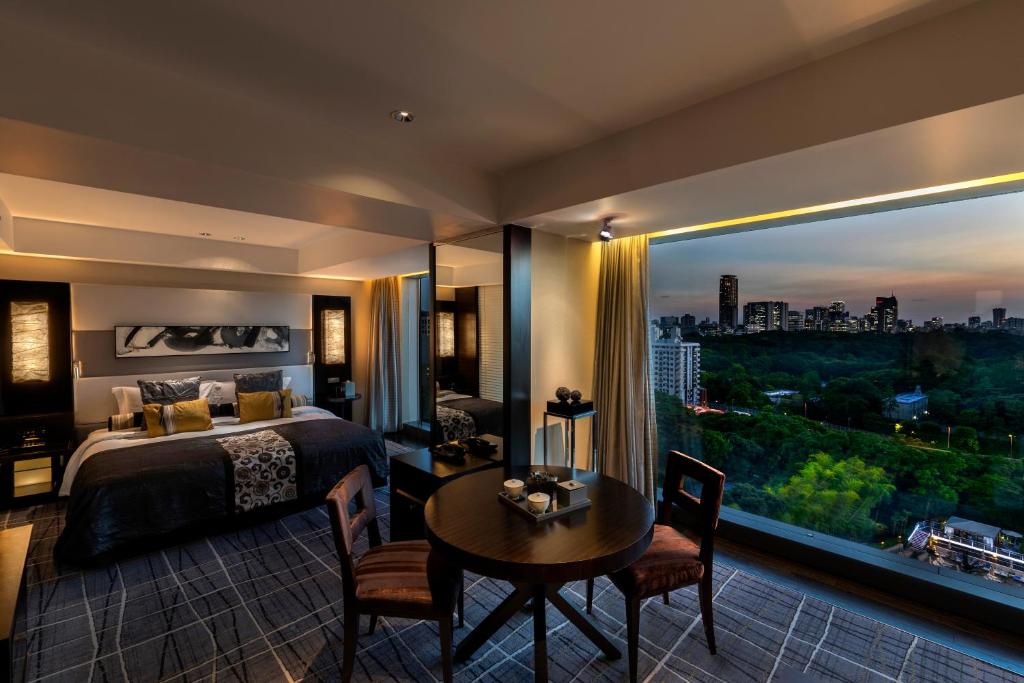
✅ A large, historic Japanese garden on the grounds
✅ A private wing with its own check-in and lounge
✅ Central for Akasaka, Yotsuya and Roppongi
Why stay here
Hotel New Otani Tokyo has a large, historic Japanese garden with a waterfall, ponds and stone lanterns on its grounds. Stroll it in the morning or at dusk, then head back for tea. It’s a rare way to make a traditional garden part of a city stay.
Executive House Zen is a separate wing inside this big hotel, with its own check-in and lounge. The lounge serves food and drinks from breakfast into the evening, so you can skip the crowds of the main hotel.
Across Tokyo, it’s the pick for anyone who wants a hotel with a real Japanese garden.
Good to know: This wing is aimed at adult travelers. If you’re traveling with kids, check the booking conditions first.
6 The Ritz-Carlton, Tokyo

- Area
- Akasaka & RoppongiConnected to Roppongi Station (Tokyo Midtown)
- Price guide
- US$600–1,200 per night
- Best for
- Travelers who want a skyline view from their room, plus museums and late dinners
Highlights
✅ High up in Tokyo Midtown, with Tokyo Tower and city views from some rooms
✅ Walk to the National Art Center and Roppongi Hills
✅ Eat out late in Roppongi and be back in your room in minutes
Why stay here
The Ritz-Carlton, Tokyo occupies the top floors of Tokyo Midtown in Roppongi. The views are the headline, but the real draw is how well it pairs with the neighborhood.
Roppongi is Tokyo’s art and nightlife district. Spend the day at the National Art Center or the museum at Roppongi Hills, shop in the late afternoon, eat out in Roppongi, and stroll back.
Across Tokyo, this is the classic look-down-on-the-city hotel. On clear days you may even spot Mt. Fuji in the distance.
7 Park Hyatt Tokyo
- Area
- Shinjuku12 min walk from Shinjuku Station (shuttle bus available)
- Price guide
- US$900–1,800 per night
- Best for
- Travelers who want a hotel with a story, and big-city Tokyo at its most dramatic
Highlights
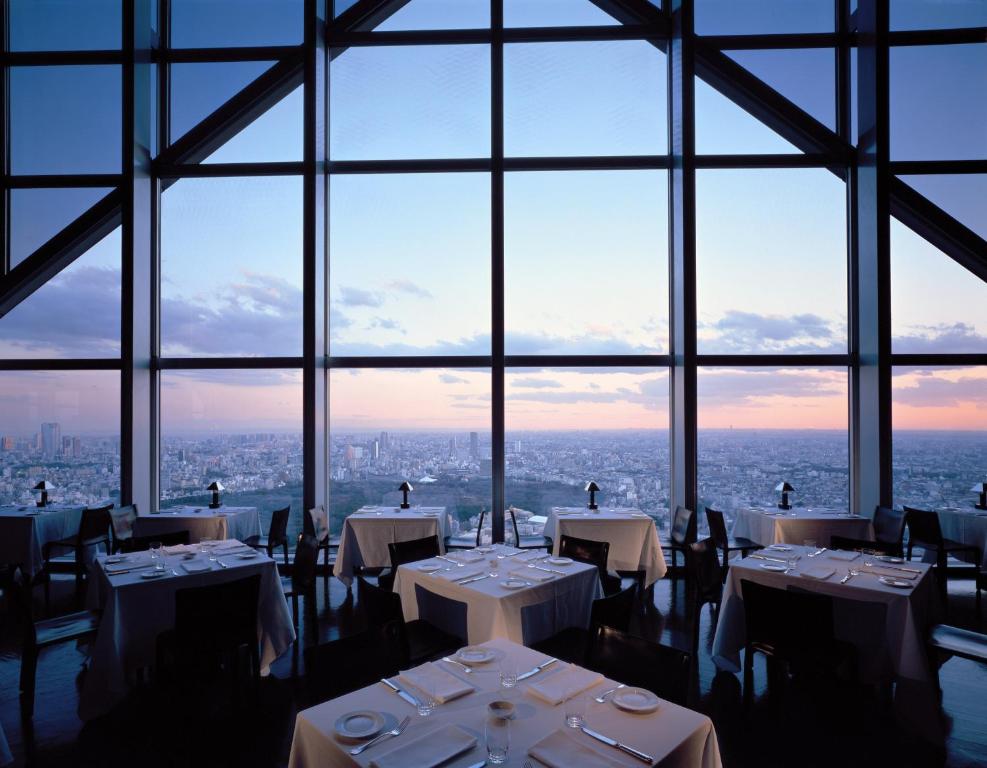
✅ The top floors of a Shinjuku skyscraper, with the city spread out below
✅ The setting of the film Lost in Translation
✅ Easy access to Shinjuku Gyoen, Yoyogi Park and Shibuya
Why stay here
Park Hyatt Tokyo isn’t the place for traditional Japan. What you get here is the Tokyo the world knows from films and photos.
From the top floors of a Shinjuku skyscraper, the city turns into a sea of lights at night. One look out the window and you’ll understand why Lost in Translation made this hotel famous.
Shinjuku is Tokyo’s biggest transport hub and nightlife district. Of all the hotels in this guide, this is the one for travelers who came for the sheer scale of the megacity.
Good to know: It’s a bit of a walk from the station. With luggage, take the shuttle bus or a taxi.
8 TRUNK(HOTEL) YOYOGI PARK
- Area
- Shibuya & Yoyogi Park3 min walk from Yoyogi-koen Station (about 14 min walk from Shibuya)
- Price guide
- US$600–1,200 per night
- Best for
- Repeat visitors and travelers into Tokyo’s fashion, music and cafe scene
Highlights
✅ Right by Yoyogi Park, green and quiet in the middle of the city
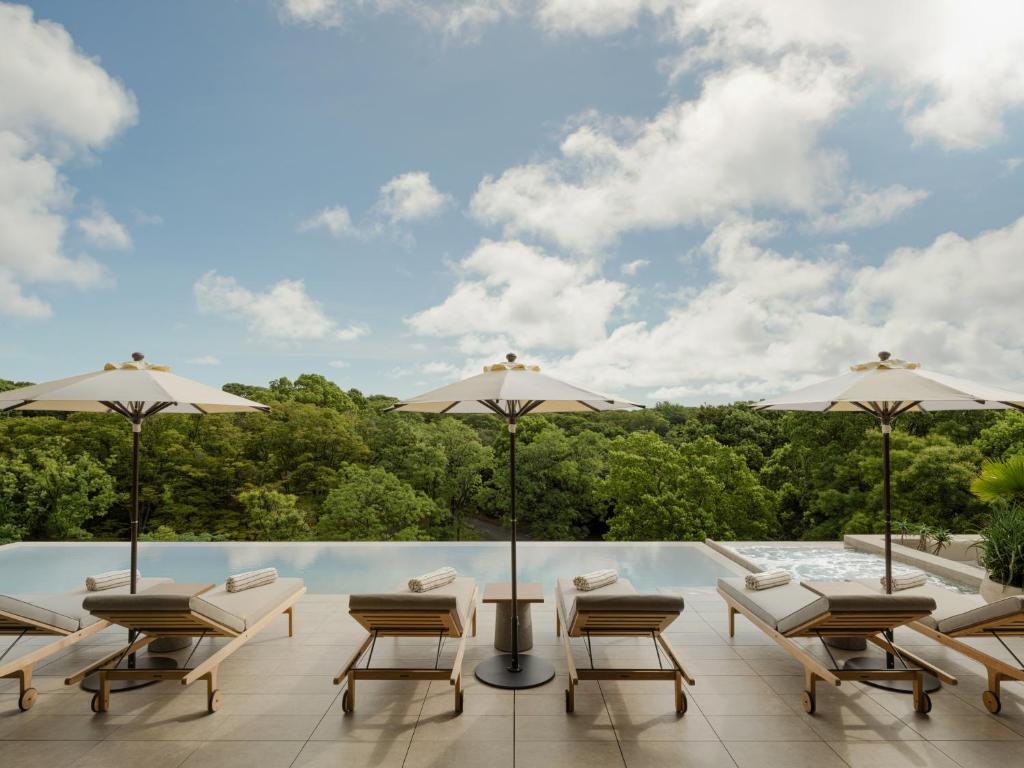
✅ A rooftop pool just for guests
✅ A small hotel with personal service
Why stay here
For Tokyo’s youth culture and laid-back lifestyle, stay at TRUNK(HOTEL) YOYOGI PARK. It faces Yoyogi Park, with Shibuya, Harajuku and the forested Meiji Jingu shrine all close by.
The highlight is the rooftop pool for hotel guests only, looking out over the park’s trees and the city skyline.
Across Tokyo, it’s the pick if you prefer a small, stylish hotel over a grand one.
Good to know: It’s about a 15-minute walk from Shibuya Station. By train, the nearest station is Yoyogi-koen.
Know Before You Book
How to choose: match the area to your days
Think about how you’ll spend most of your time. First trip, or heading to Kyoto next? Stay near Tokyo Station. Shopping and dining? Ginza. Museums and late nights? Roppongi. Neon and skyline? Shinjuku. Cafes and street fashion? Shibuya.
Taxis are clean and safe but add up quickly in traffic, so a hotel near your favorite area saves time every day. Pay for trains and subways with a Suica or PASMO IC card, which you can also add to the Wallet app on an iPhone.
Getting from Haneda and Narita to your hotel
Haneda Airport (HND) is close to the city and handles many international flights. Trains reach Tokyo Station and Ginza in about half an hour, and a taxi is a reasonable option with luggage.
Narita Airport (NRT) is much farther out, in neighboring Chiba Prefecture. The Narita Express (N’EX) runs straight to Tokyo Station, Shinjuku and Shibuya. From either airport, Airport Limousine Buses stop right outside many major hotels, which is often the easiest choice with big suitcases.
From the airports to Tokyo’s main areas
Approximate time on board. Transfers and waiting time not included.
From Haneda Airport
From Narita Airport
N’EX = Narita Express. Bus times depend on traffic. The bullet train (Nozomi) from Tokyo Station to Kyoto takes about 2 hr 15 min.
Moving on to Kyoto or Osaka? Ask your hotel about luggage forwarding, a common service in Japan that sends your bags ahead to your next hotel, so you can ride the bullet train with just a day bag.
Club lounges and spas: check the rules before you book
Club lounge access usually comes only with club-level rooms, not with every room in the hotel. Read the room description carefully, and check whether there are age rules for children in the lounge or set hours for evening drinks.
Pools and spas often need a reservation, and some charge an extra fee. Japanese facilities may also restrict guests with tattoos, so if you have visible ink, ask the hotel before you arrive. Book spa treatments early, especially on weekends.
Cherry blossom season sells out early
Tokyo’s cherry blossoms usually bloom from late March to early April, and it’s the hardest time of year to book. Rooms with palace views or balconies go first, and rates rise sharply.
If you’re set on spring, book as soon as your dates are fixed. New Year and Golden Week (a cluster of Japanese holidays in early May) are also busy.
Book hotel restaurants in advance
Even at luxury hotels, you can’t count on walking into the restaurant. Small sushi counters in particular often fill weeks ahead, so reserve them when you book your room. Your hotel concierge can also help with restaurants around the city.
No tipping in Japan
Tipping isn’t expected in Japan, even at luxury hotels, restaurants or taxis. The price you see is the price you pay, and staff may politely refuse or chase after you to return the money. A Tokyo accommodation tax may be added to your bill.
So, Where Should You Stay in Tokyo?
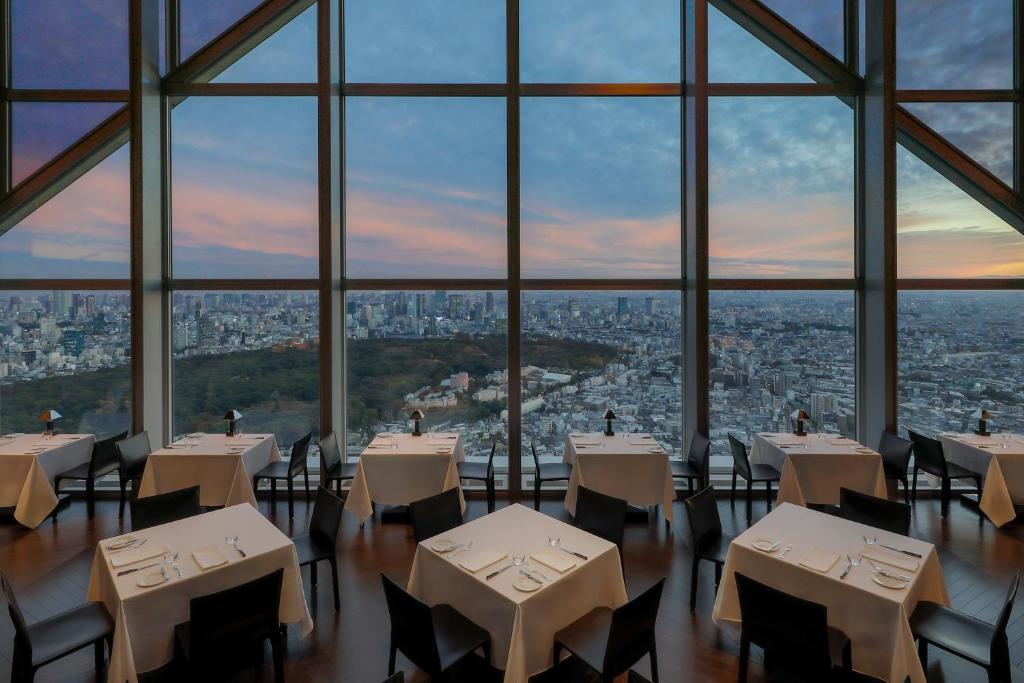
Start with what you want to do in Tokyo, then pick the hotel.
For a first trip, choose Palace Hotel Tokyo. Taking the bullet train next? The Tokyo Station Hotel. For a food-focused splurge, Bvlgari Hotel Tokyo.
For Ginza shopping, The Peninsula Tokyo. For a Japanese garden and quiet, New Otani Executive House Zen.
For sky-high views and Roppongi nights, The Ritz-Carlton, Tokyo. For the movie-famous Shinjuku skyline, Park Hyatt Tokyo. And for today’s Tokyo street culture, TRUNK(HOTEL) YOYOGI PARK.
Treat the hotel as part of the trip, not just a place to sleep, and the right one becomes much easier to find.
About the author: Yuki Sakaguchi
Travel writer and author with 15+ years of experience, now based in Japan after living in France and Canada. Travels with family, including a 9-year-old daughter, with a focus on exceptional hotels, food and unique experiences.